Around the World
Class: personal project
Year: 2020
Time: 3 weeks
Tags: [augmented reality] [interaction design]
Tools: ARkit, Unity, Cinema4D, Blender, RealityComposer
What is a day like in Around the World?


Initial Observed-Problem
Many are experiencing a decline of mental health during the COVID-19 pandemic. How can I create a design that helps people relieve stress during quarantine?
Understanding the Context
General Context
During the COVID-19 pandemic, people across the globe are forced by the situation to abandon their normal lives and adapt to the new quarantine lifestyle.
From observing what’s around and from the data below, it could easily be seen that the situation is causing many to have growing stress and anxiety, and therefore negatively impacting people’s mental health.
However, at the same time as stress and anxiety levels grew more, stress-relief activities grew less. This is because many activities from peoples’ daily lives are simply no longer available in this newly adapted lifestyle.

Anxiety Factors
From researching academic papers, I found the factors below to be some of the factors negatively effecting people’s mental health during the pandemic. (The organization of the factors in this image does not imply any relations among them)

User Research
Methodology
To better understand the situation and learn from potential users, I further conducted primary research:
- I interviewed with 3 students and young professionals,
- I ask a college student to self-observe and record his day. (As also due to the pandemic, I am unable to visit and directly observe his day myself)
User Interview

My key insights from the interviews were:
01-Reminisce of the Fun of Traveling. Before the pandemic, traveling provided great stress-relief by people by allowing them to get away from work and their everyday life, and experience what is new, fun, and more carefree.
02-The “Scene-Transforming” Effect in Playing VR Games. Different from traditional video games on flat screens, VR and AR provides more immersive experiences, further bringing the user into the narrative.
03-The Stress-Easing Effects of Both Indoor and Outdoor Activities. In their newly adapted quarantine lives, people lost access to many activities that were the norms before the pandemic: such as going to restaurants, meeting friends and family etc. At this time, being able to perform an activity that was not previously considered as too exciting would provide much benefit to a person’s mood. (such as going out for a walk, cooking a nice meal for themselves etc.)
User Observation

From the observed individual’s day, it can be seen he spends most of his time on studying. He spends much of his free time playing video games, and would go for a run for a cup of coffee as his outdoor activity. He suffers from limited choices of activities available at home.
Research Synthesis
Summarizing Key Insights

Design Objectives
With key insights from the research process, I determined my design directions to be the following:
- Bring more activities to the domestic space.
- Transform/transcend the domestic space by immersing the user in another narrative/setting.
- Allow user to escape the mundane, alike traveling before the pandemic.
- Promote simple physical movements.
- Promote some off-screen activities.
Concept Development
Information Architecture (Booking)

I decided to design a mobile app due to the ubiquitous nature of mobile devices nowadays. After a few rounds of brainstorming, I arrived at the concept of Around the World, an app that leverages Augmented Reality for world-building and allows virtual travel at home.
Persona


I determined my main target users to be college students and young professionals.
01 - They generally hold interests in emerging technologies. Generally speaking, young people tend to hold more interests in new technologies. They may also adapt the use of a new technology easier, and relies on technology more.
02 - They have busy and stressful schedules. They are actively pursuing higher education, or at the early stage of their career. Therefore, they tend to have busy day-to-day schedules from study/work, and an additional fator of stress.
03 - They are eager for stimulations of different activities. Young people generally have more interest and energy for more activities. They are used to having many fun activities in their lives, and the loss of available activities during quarantine are negatively impacting them. Those activities were also de-stressors for their busy work/study schedule.
04 - Many live alone or with roommates, in relatively smaller apartments. Many young people just moved out of their parents’ house, and are starting to live on their own. Most of them are still renting apartments either alone or with roommates, and have not yet started their own family. During COVID-19, their living spaces feel increasingly-smaller then usual, and they also may experience isolation from friends and family.
Ideation
Storyboard
Due to the nature of different travel destinations associating with different travel activities, I decided to brainstorm activities for Tokyo, Japan as an exemplar to further look for a basic structure that could serve as the basis for all travel destinations.

Time Schedule+Notification
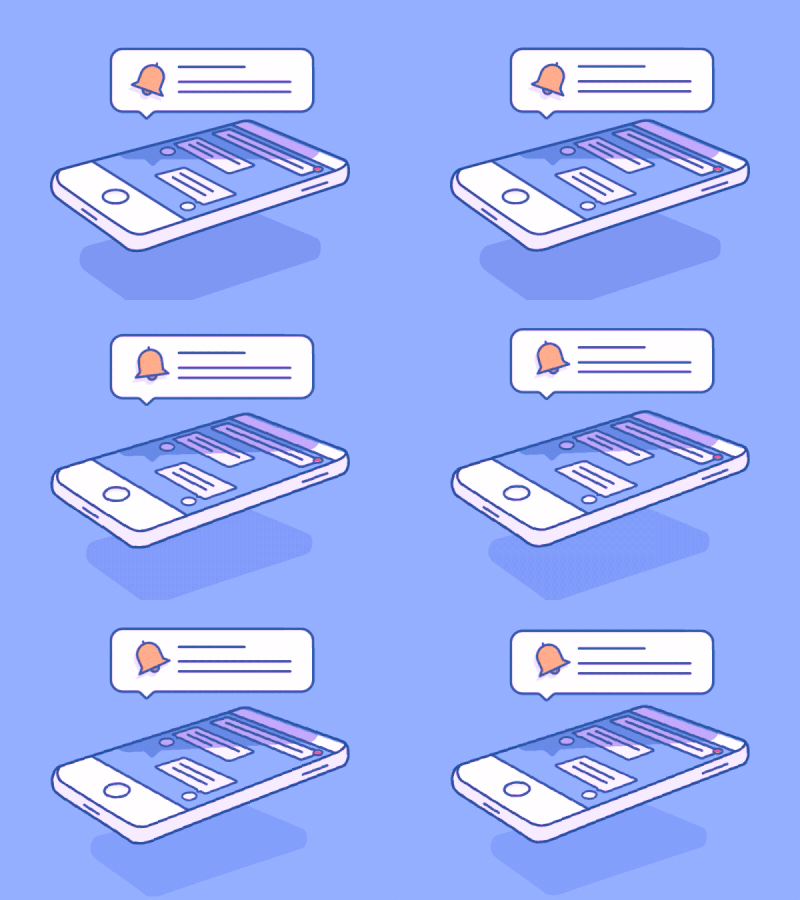
From my research process, I found my user group to have busy schedules. In order for Around the World to help them relieve stress while not interrupting their day-to-day lives, travel activities should not take ample amount of time.
Also, the user shouldn’t have to manually go into the app to access an activities, which could become another mental burden for the user. Instead, travel activities should be pushed to the user at intervals, being incorporated into their busy schedules.
User Journey
To further analyze what senses each of the activities engages, and how they could fit into a day in the user’s daily life, I created this user journey map for the travel experience in Tokyo.
It is to note that: in the booking process days before the actual travel experience, the user would be specifically asked if they want to have the cooking experience, for they would need to prepare the ingredients before the travel day.

Travel Day Structure
From travel activities in the Tokyo example, I determined the structure of a virtual travel day to any destination in Around the World to have a similar basic structure, consisting activities of the following 7 categories:

Prototyping
3D Assets
To prototype the proposed experience, I first built some 3D assets in Cinema 4D and Blender, and I also purchased some other 3D assets online.


AR Scenes
I learned and experimented with using Unity and ARKit to develop AR scenes. I also tried Apple’s new simple-and-intuitive Reality Composer.


Interactions
The followings are the prototyped interactions for a day traveling in Tokyo in Around the World:
01 Morning Window Scene
Tokyo example: Tokyo Tower and city scene
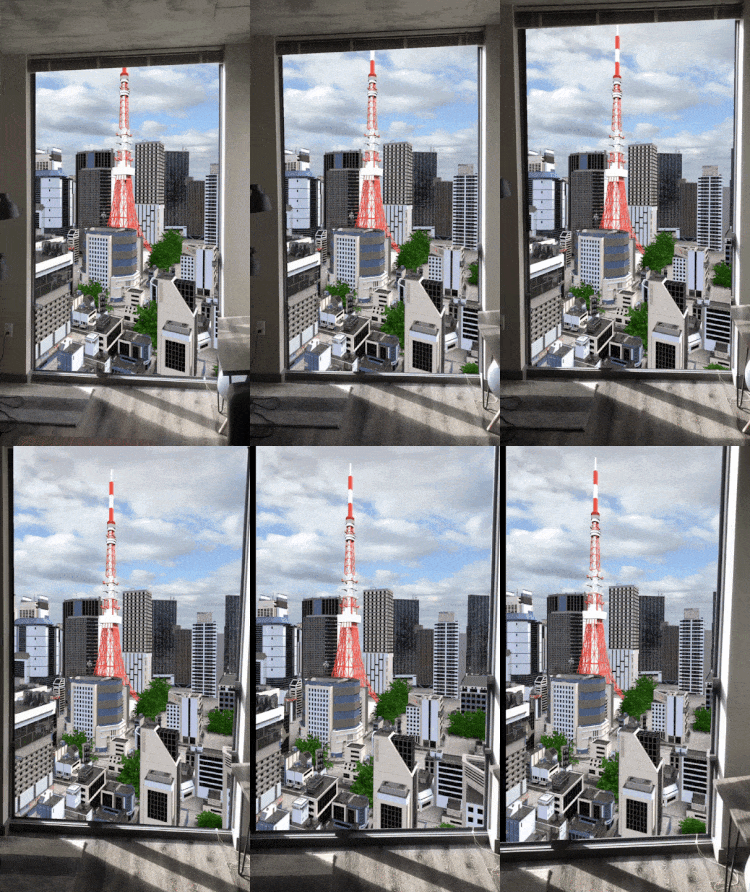
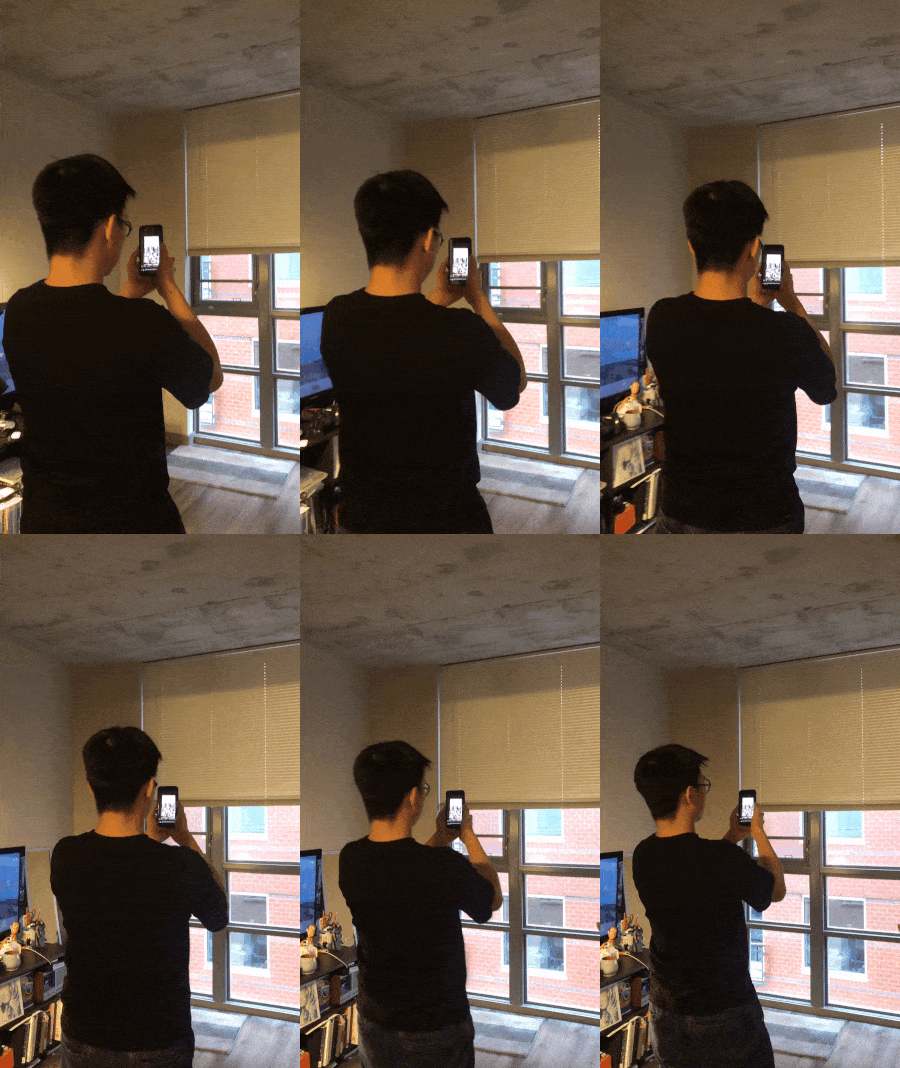
As the first interaction of the day, this activity is meant to set the “background” for the user’s immersive travel experience, it helps bring the user into the narrative.
02 Low Impact Exercise/Stretch
Tokyo example: riding the subway
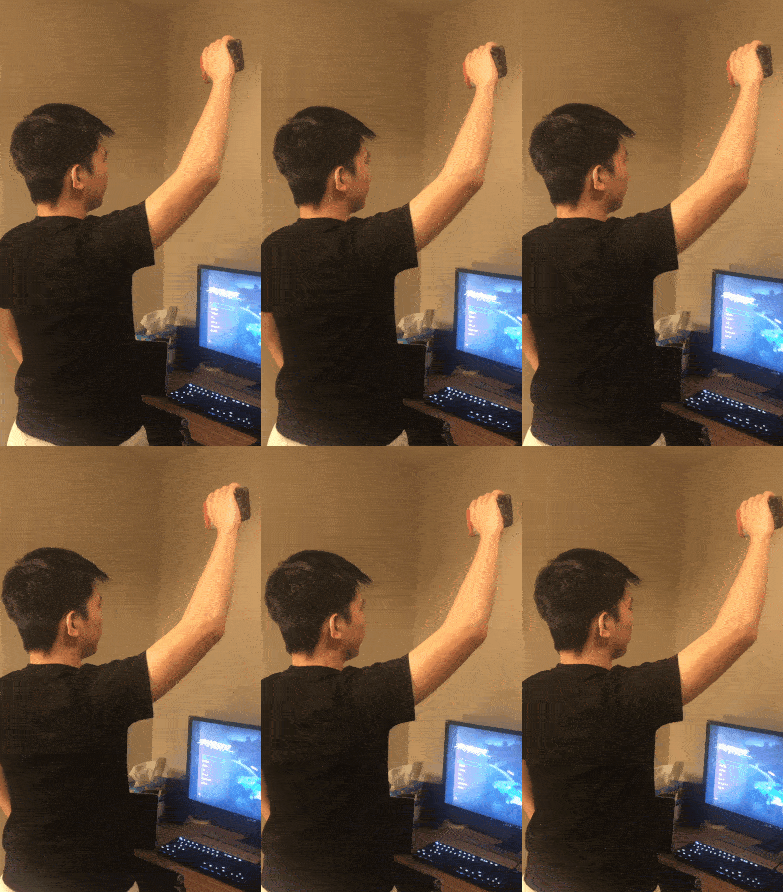
This activity serves to incorporate a small exercise/stretch in the user day. In the Tokyo example, it also helps sets the tone by letting the user “take” a standard local transportation.
03 Tabletop Gaming
Tokyo example: Sumo wrestling
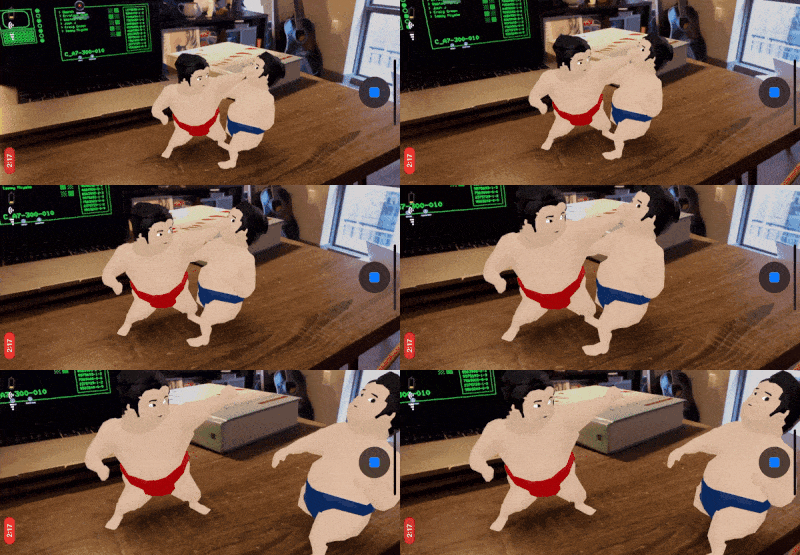
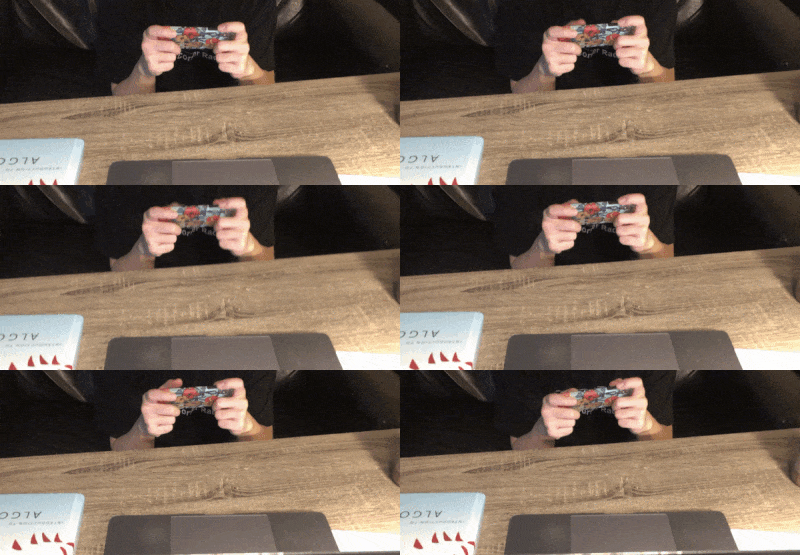
This interactive gaming section would be a small break in the user’s study/work session to ease their stress from the intensive working session.
04-1 Virtual Sightseeing
Tokyo example 1: temple
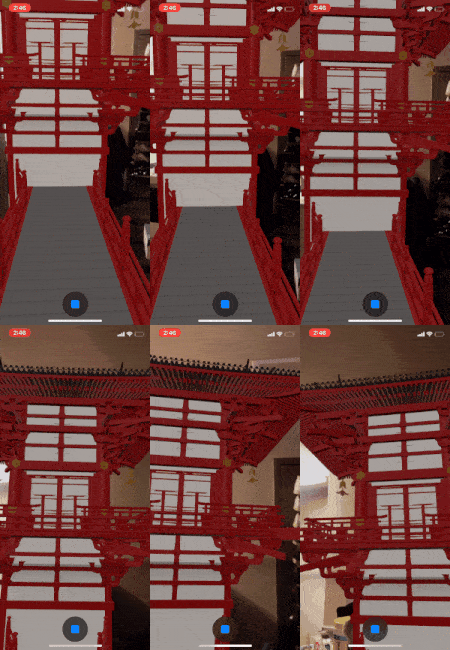
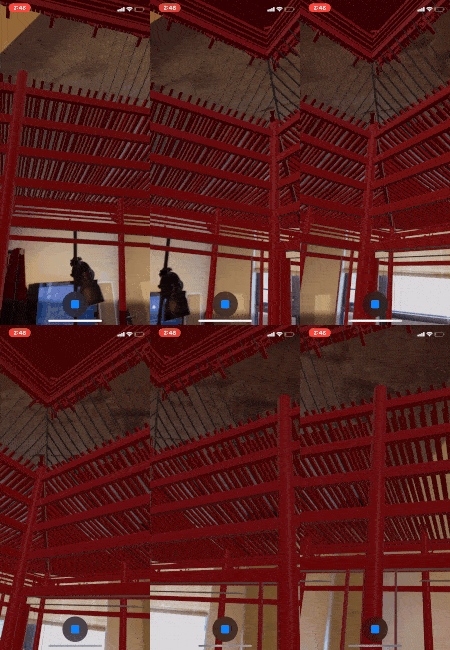
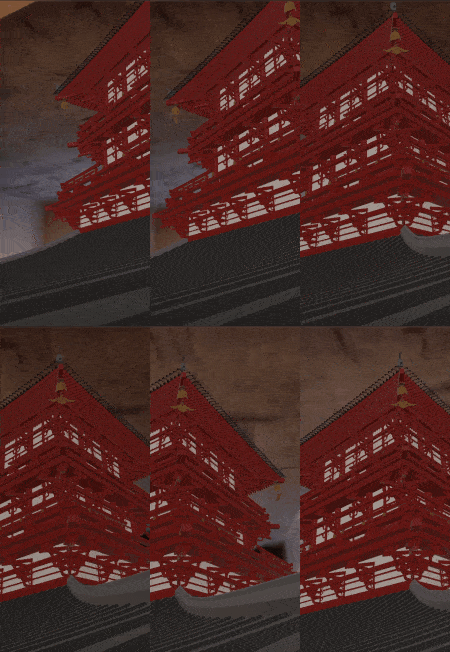
As a standard and one of the most important tourist experiences, sightseeing is also incorporated in Around the World in many ways. In this example, the user can tour larger-than-a-person sites inside their room.
04-2 Virtual Sightseeing
Tokyo example 2: art museum
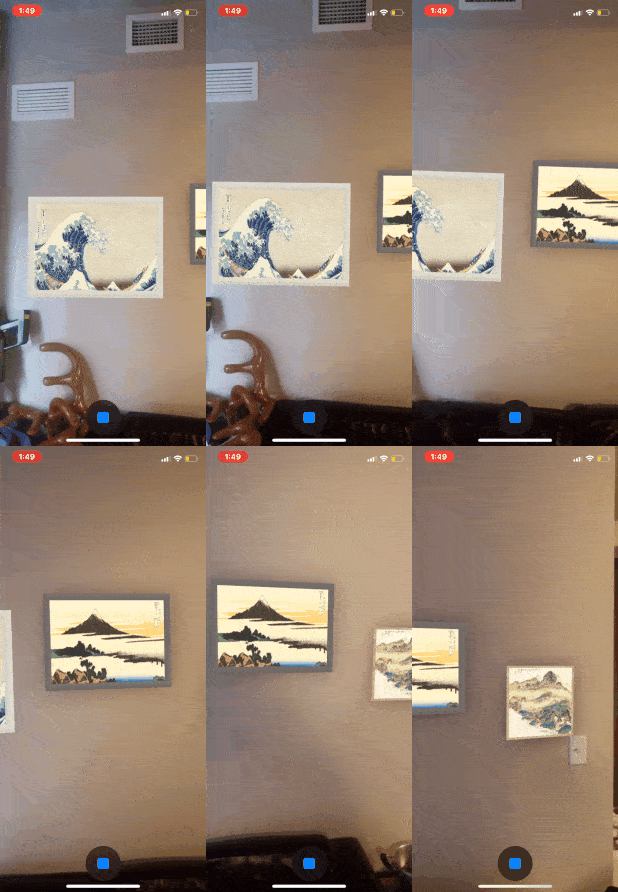
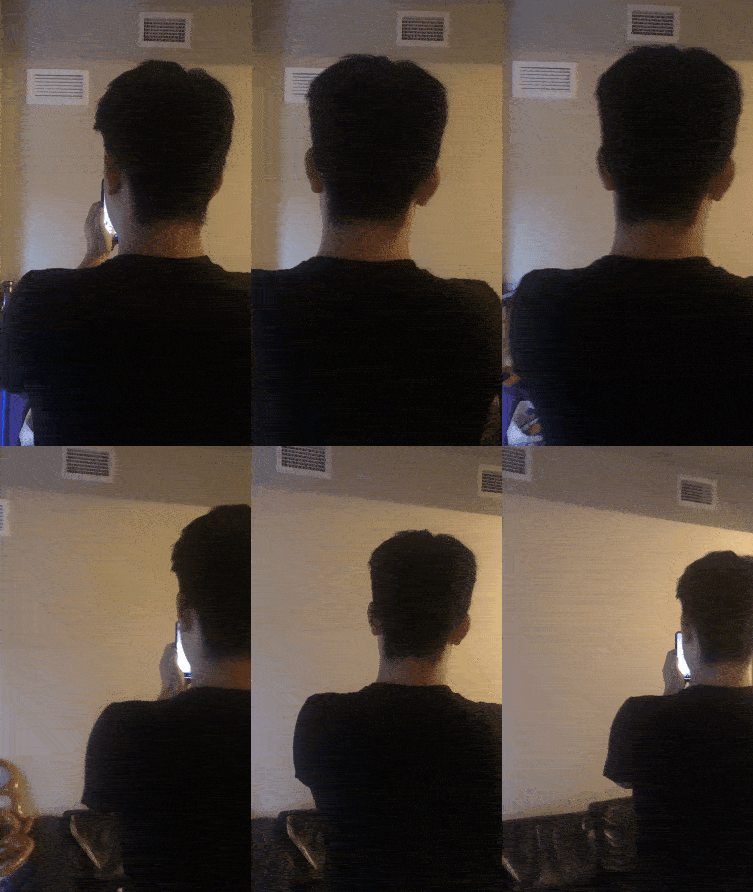
In this example, the user can walk around his room viewing paintings on the wall, as if he is visiting an art museum.
04-3 Virtual Sightseeing
Tokyo example 3: aquarium
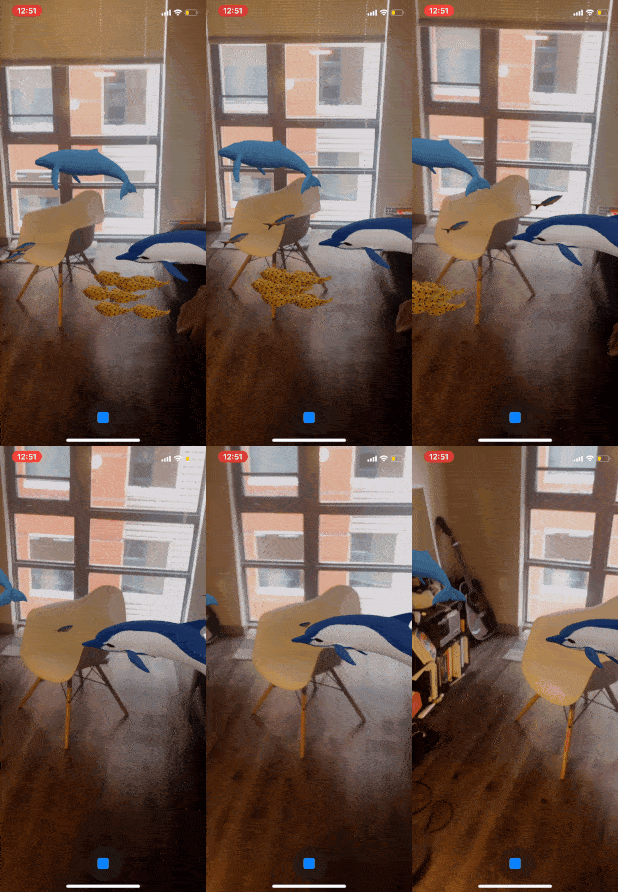
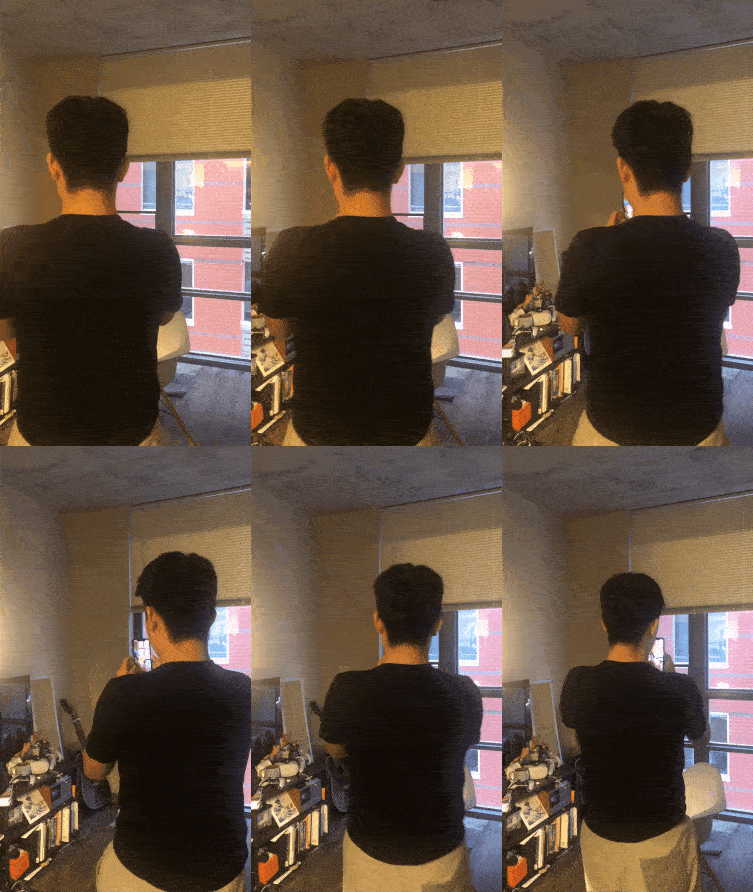
In this example, the user can walk around his room looking for sea animals, as if he is visiting an aquarium.
05 Cooking
Tokyo example: Japanese dinner
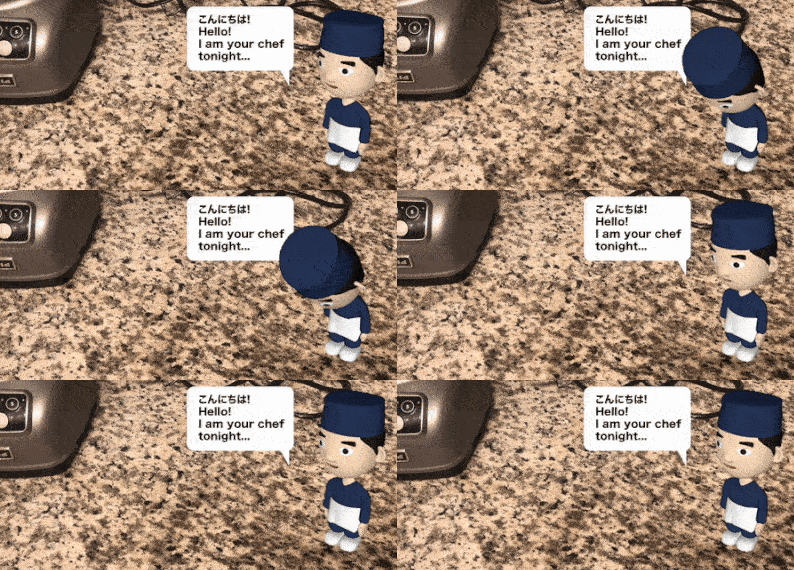
Allow a more immersive travel experience by guiding the user to cook and have a local meal.
06-1 Attend a Local Festival
Tokyo example: fireworks festival (-1)
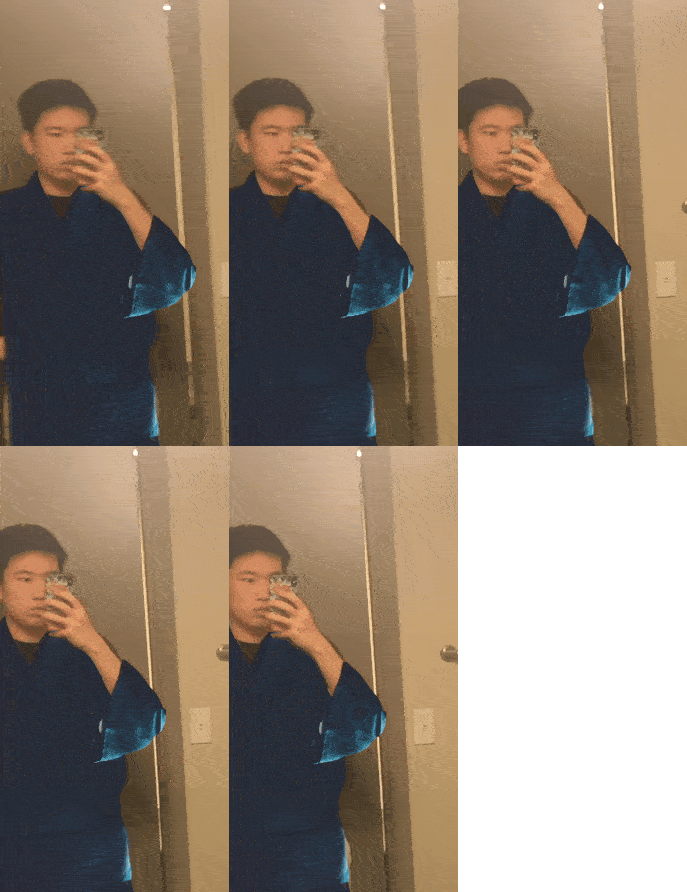
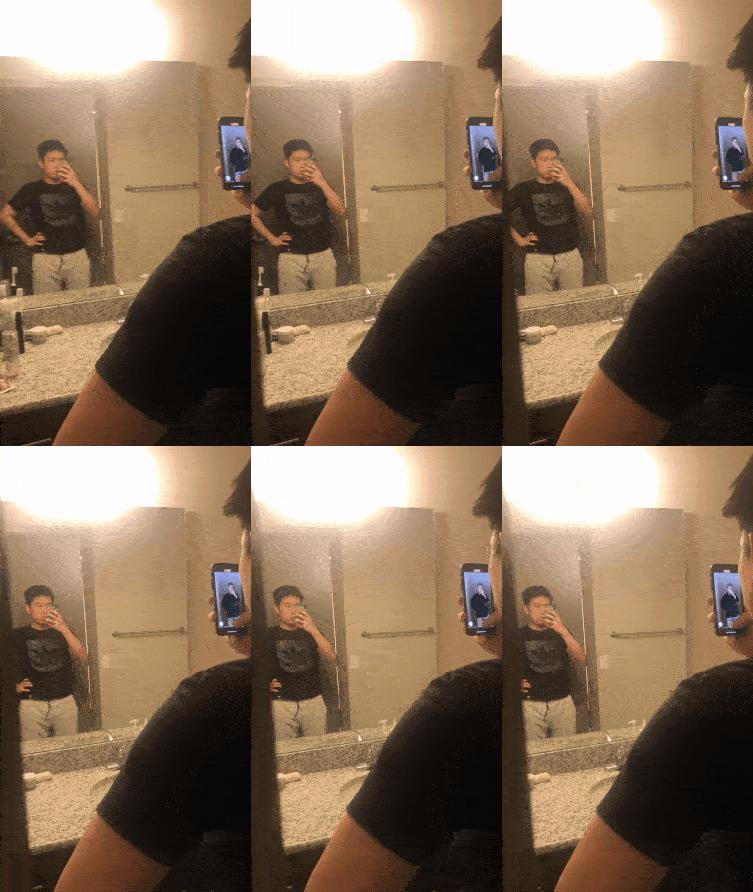
Allow a more immersive travel experience by letting the user experience a traditional local event/festival. In the Tokyo example, the user can also try on a traditional Japanese bath rope for the festival.
06-2 Attend a Local Festival
Tokyo example: fireworks festival (-2)

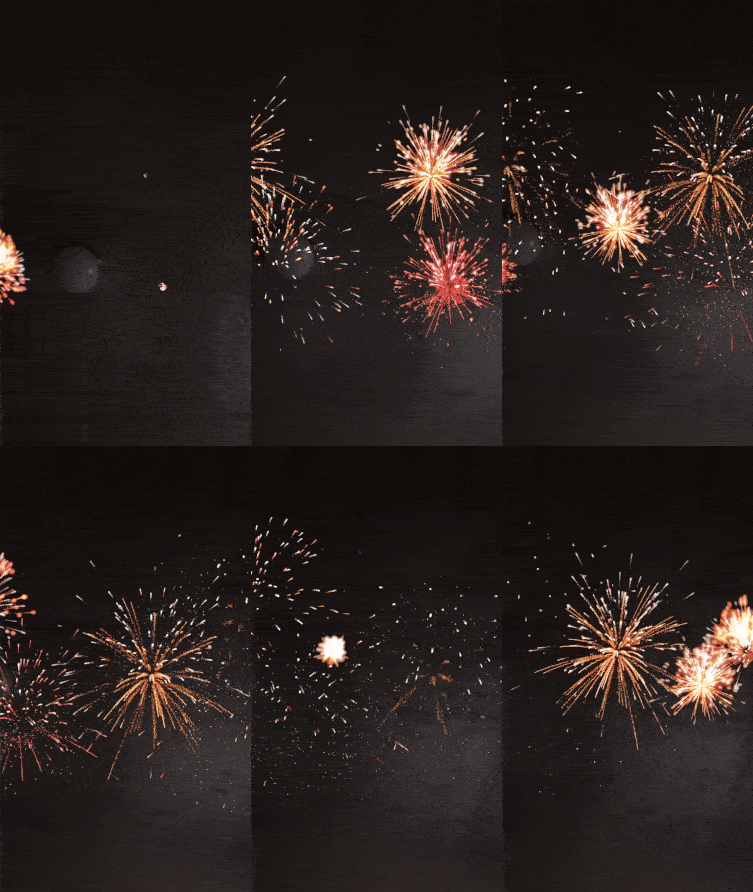
Allow a more immersive travel experience by letting the user experience a traditional local event/festival.
07 Night Window Scene
Tokyo example: city scene
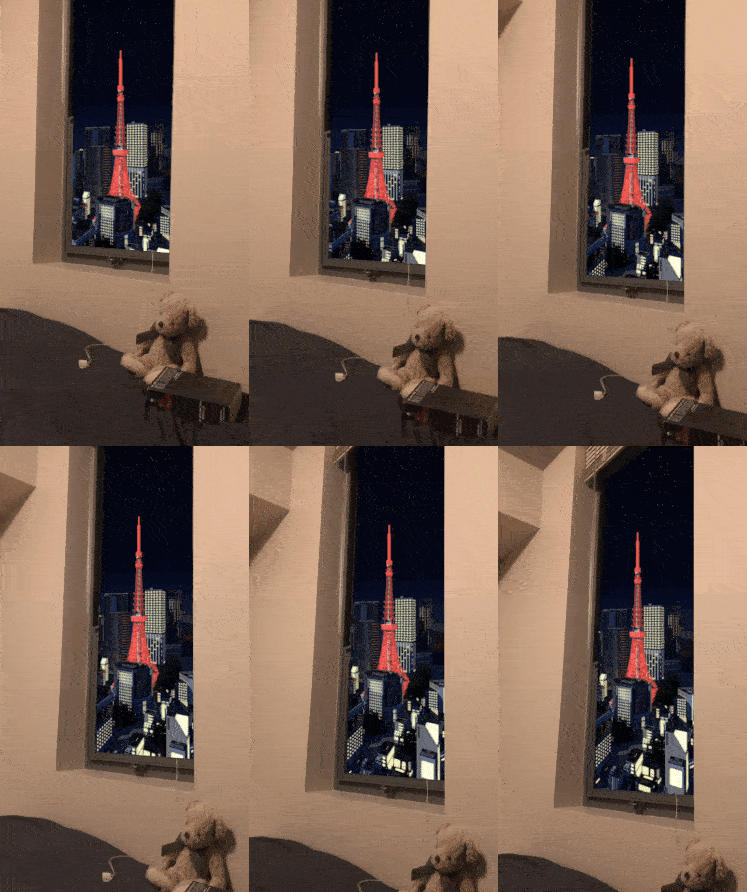
Serve as the ending of the trip at the end of the day.
User Testing
Methodology

Also due to constraints caused by the pandemic, I had to perform user testing differently. I transferred files into USDZ format, composing them into simple AR scenes with reduced interactions on iPhone.
I then sent my participants the AR scenes via iMessage with accordance to the schedule of a travel day in Around the World. The participants can directly open the scenes from iMessage and experience them in AR.
From the feedback, majority of users claim that the interactions somewhat immersed them in the traveling narrative, all users liked the experience and think it made a day in quarantine more interesting and less stressful. Possible future directions suggested by users include:
- A HMD (Head-mounted Display) AR experience, to make the narrative more immersive.
- Addition of social features, to allow friends to travel together.
- A “souvenir” after a travel day.